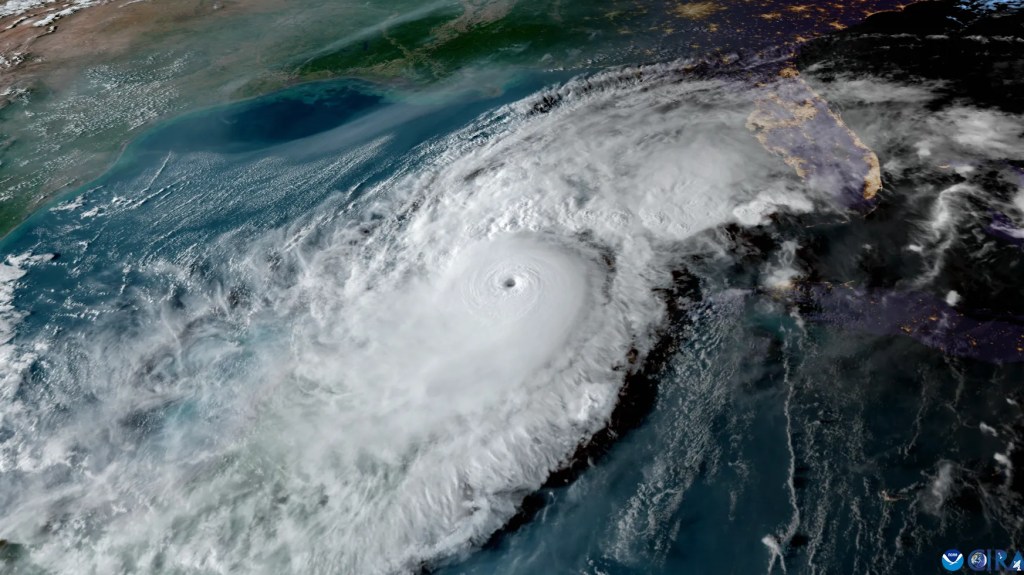
HOLT, Fla., June 1, 2026—Today is the first day of the 2026 Atlantic hurricane season that runs until Nov. 30.
And although forecasters are predicting a below-average season, they’re still calling for eight to 14 named storms, three to six hurricanes and one to two major hurricanes.
Related: “National Weather Service predicts below-average hurricane season”
Last year there were no hurricane landfalls in the United States, either in the Gulf or on the eastern Atlantic shore.
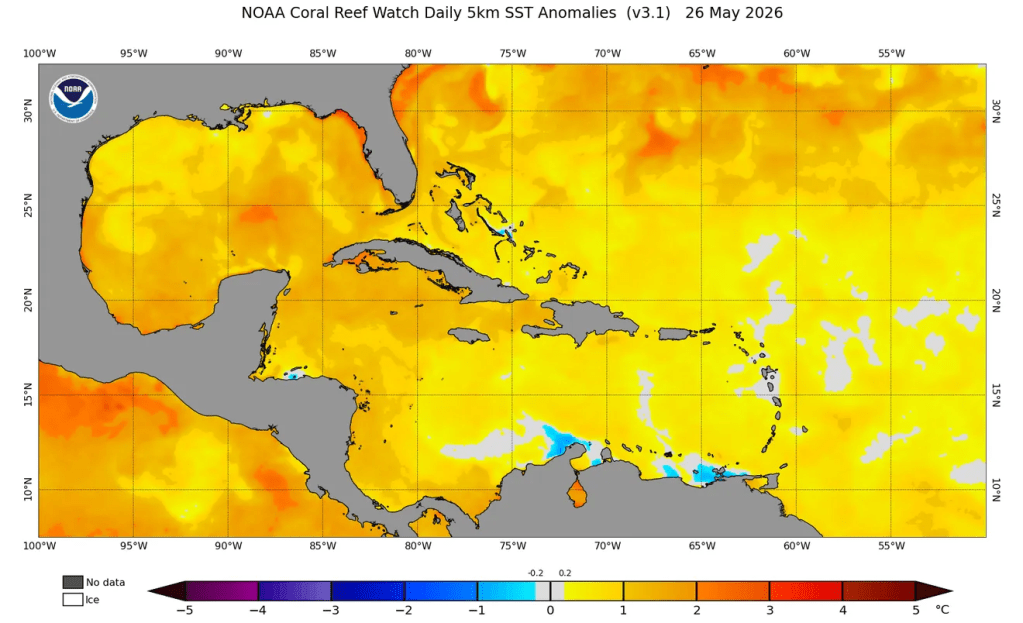
But the lack of storm activity in the Gulf means water temperatures are hotter. In fact, Gulf water temperatures are almost equal to the all-time high set in 2024.
This heat provides more energy which is fuel for storm development. Some forecasters are expecting supercharged storms if any develop, especially in the Gulf.
And they can spin up and intensify quickly.
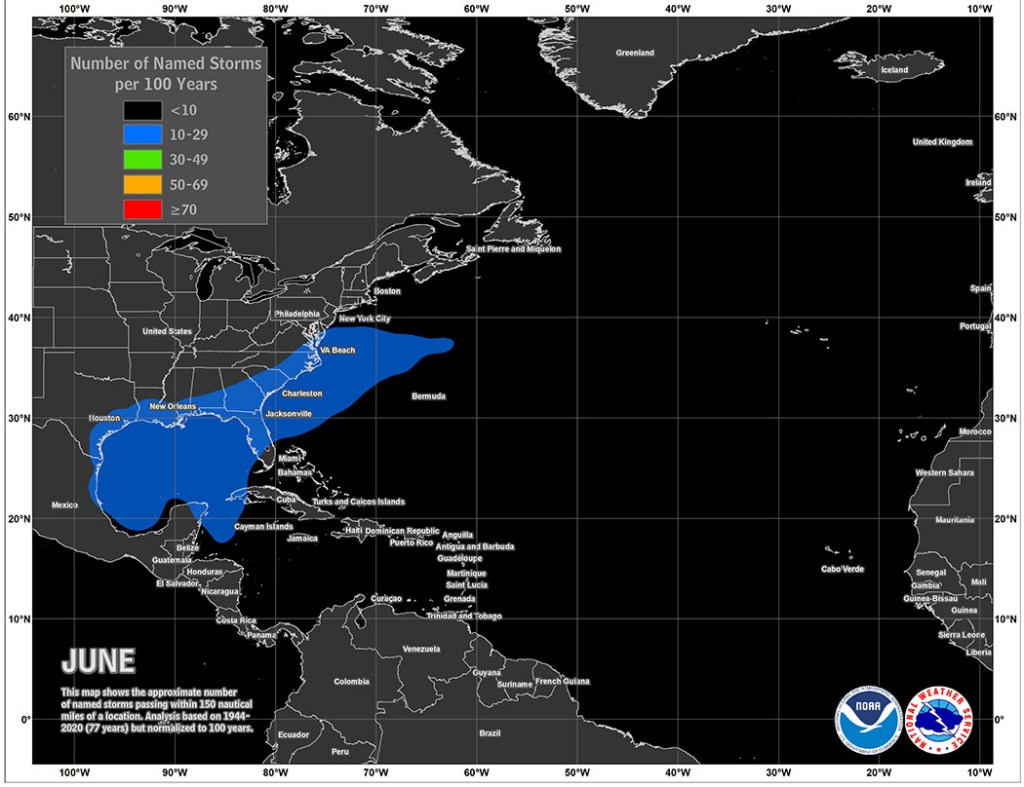
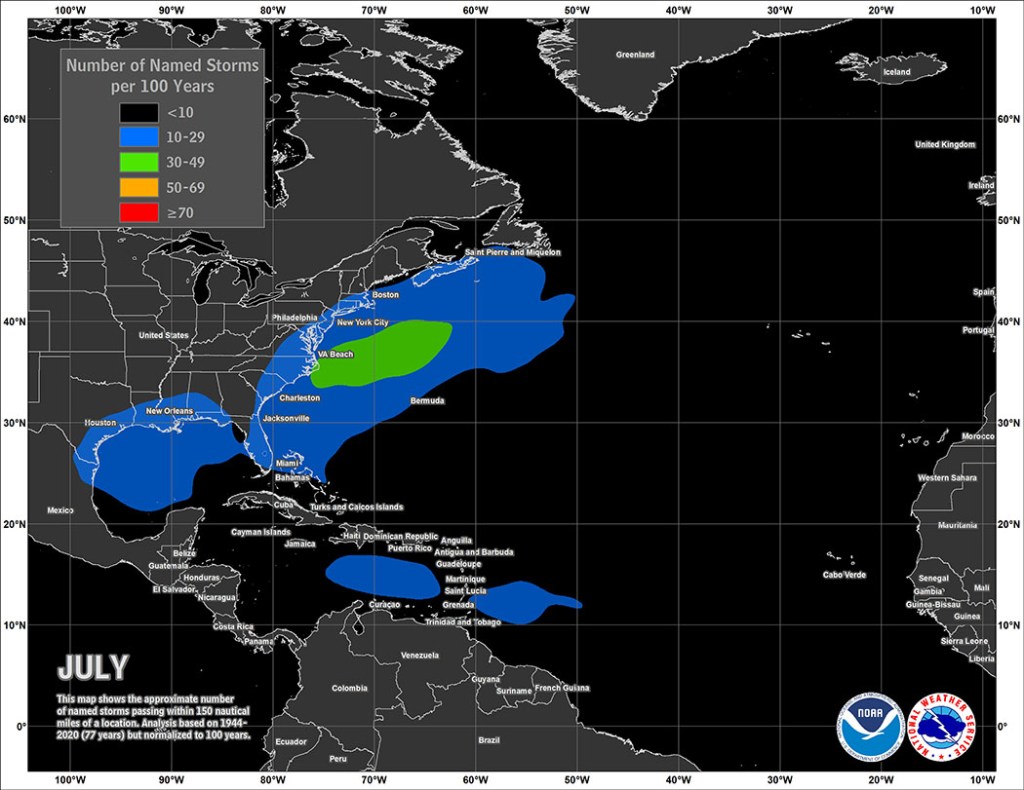
In June and July, tropical development generally occurs in the Gulf, the eastern Atlantic Ocean west of Bermuda and the eastern Caribbean Sea. Storms that develop from tropical waves from the west coast of Africa tend to occur in August and September, during the peak of the hurricane season.
Category 5 storms
Since 1924, there have been 45 category 5 hurricanes with 18—more than one-third—occurring between 2005 and 2025. Category 5 hurricanes are storms with sustained wind speed of 157 mph or higher.
Last year there were three category 5 storms, a first in 20 years, tying it with the record-setting 2005 season.
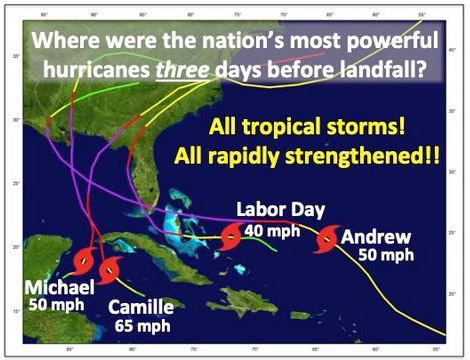
Only four category 5 storms have made landfall in the United States. And every one of them were tropical storms three days before making landfall, according to the National Hurricane Center. The most recent was Hurricane Michael in 2018.
Hot Gulf waters can, and probably will, supercharge any storms that may develop there.
Cat 5 hurricanes that made landfall in the U.S.
- 2018 Michael Florida Panhandle
- 1992 Andrew South Florida
- 1969 Camille Mississippi
- 1935 Labor Day Florida Keys

